Brave in Heart: A Contradiction Too Great for One Man to Bear?

A Civil War Romance in Which we find Many Intriguing Contradictions

The Hero: Theo Ward, dutiful son and attorney-at-law; justice-seeker on the side of right, abolitionist but not activist; mildly henpecked, professionally and emotionally stalled until a second chance at his failed romance galvanizes his enlistment as a Union officer.

Falls For:  Margaret Hampton, principled and devoted teacher, pragmatist and secret romantic.

Brave in HeartBrought To You By: Emma Barry, in Brave in Heart (July 2013 e-release from Crimson)

From the publisher, courtesy of Goodreads: Theodore Ward is a man of deep passions and strong principles—none of which he acts on. So Margaret Hampton ends their engagement, breaking both of their hearts in the process.

Years after their estrangement, ardent but frozen Theo attempts to reconnect with Margaret. She is no longer trusting of the idea of romantic love, having become pragmatic and wary during decades alone. But with the drumbeat of the early days of the Civil War in the background, how can she refuse?

The courtship that results is hasty, reckless, and intense, fueled by contradictions between Theo’s willingness finally to change and Margaret’s fears about the future. Two smart, stubborn, fiery people will need to overcome the hesitancies of their hearts and the perils of battle if they’re ever to find happiness.

The Setting: Middletown, Connecticut, at the start of the U.S. Civil War, 1861 through 1863. The setting alone is going to get this book noticed within the histrom community, and Emma Barry has been eloquent in framing her enterprise in the long shadow of Margaret Mitchell, in spite of the fact that GWTW is not a romance, and Brave in Heart is not set in the South.

It’s a bold move to set a romance in a decidedly unglamorous wartime, and especially so when there is no plot device to put the couple together at the front (eg. working as spies, battlefield hospital, etc). In historical romance these days, when war is a major theme, it’s nearly always Napoleonic and it’s usually in the hero’s past, not his present. The history here is well-researched and authentic and the details of their lives as lawyer and teacher and members of the educated and privileged class of Connecticut society are skillfully rendered.

GWTW regimental ball scene, replica lobby card, via posterplace.com

Barry’s evocation of a Northern community on the brink of what we (but not they) know to be the massive and protracted trauma of the Civil War is moving and poignant without ever patronizing. I truly loved the opening sequence set during a ball in honor of departing Union regiments, with its heightened emotion and feverish sense of enthusiasm staving off grim realities and dread of what’s to come. The writing itself has an old-fashioned density and dignity that enhances the Victorian-era atmosphere, without making use of overt dialects or overwhelming the narrative.

The Tropes: Second Chance at Love, War Bride, Mother in Law Issues, Love Letters, Ordinary Heroes

Brave but not Badass: “Ardent but frozen” is a great tagline for Theo, asserting a hero who is by definition contradictory.  I couldn’t really figure him out and as a result I’m finding this a challenging book to review as a romance.  Let’s start with ardent: I badly wanted to connect with Theo as a man driven by strong emotion, but reluctantly concluded that, for me, this was a case of telling not showing.  He’s described as impassioned. I just couldn’t feel it, except maybe in his letters. He’s frustrated, with himself and with his life; he has strong political principles and inner yearnings to be an actor on a larger stage. I’m not sure these frustrations make him come across as passionate, though ardent is an interesting word choice because it suggests someone more youthful (even adolescent?) than a man in his late 30’s.

And how about frozen? We see him freeze up — and give up — in the Prologue when Margaret breaks off the original engagement, but WHY is he frozen? I couldn’t get past the fact that he’s 39 years old and the broken engagement happened two years prior – he would have been 37. What happened during almost two decades of adulthood to make him so passive and deferential to his mother? We do learn early on that the death of his father has caused his mother to rely on him and keep him close, but he seems to have almost no discernible personality beyond his politics, his love and admiration for Margaret, and his frustration with his own lack of backbone. I kept wishing that the Prologue had been long enough to help me understand what makes Theo tick, and why he has chosen to live such a narrow life for so many years. I just needed more back story to understand his pressures and priorities.

Arrested Development? Perhaps if Margaret and Theo had been written as younger characters — in their early 20’s, say — the romance might have made more sense to me.  Theo in particular comes across as a much younger person, flailing around trying to figure out how to match his actions with his dreams and fantasies. There are several references to the years he has suffered since the broken engagement, so it might have made more sense if they had been estranged for 10 or 12 years, rather than 2, which doesn’t really seem all that long if you are nearly 40. Because the wartime separation is part of the novel’s main story arc, I don’t think it’s a spoiler to  note that Theo suddenly enlists in the Union army immediately following an unsatisfying encounter with Margaret in which she gives him a reprise of her original rejection and dressing down.  At this point his thought process more resembles that of an “I’ll show her!” adolescent than a seasoned lawyer of 39 years. It also doesn’t come off as the bold, ruthless action of a man in control of his destiny — it feels reactive and hectic, rather than badass. Also, I know authors have little or no control over cover images, but this one, which uses sepia tones beautifully to convey the period, really misleads with its photo image of a young woman who looks decades younger than Margaret’s 37 years.

An Unusual Romance Hero: I’m very sympathetic to arguments for getting rid of rigid alpha/beta hero classifications, and Theo makes a strong case for the inadequacy of these definitions. He’s one of the most passive heroes I’ve ever encountered in romance. As I mentioned, I’m finding it challenging to sum up my response to Theo — on the one hand I appreciate the intellectual challenge of encountering and enjoying an unusual hero who’s not an up-in-your-face alpha. I also like Barry’s willingness to construct a hero who is hard to love, but not in the usual bad boy ways, and I do think Theo works quite well as a portrait of a young man riven by inner conflict, still seeking to live an authentic life in accordance with his beliefs as well as with his family’s (his domineering mama!) needs and expectations.

If I’m being honest, though, Theo’s To Be or Not To Be angst just irritated me for much of the novel, and, like Margaret, I kept wanting him to man up. Here’s how Margaret describes her man to a younger friend, during the wonderful ballroom scene where she re-encounters him for the first time since breaking the engagement:

He is a passionate man, but he submits, I think, too much to the desires of others. He…doesn’t achieve moderation. I grew weary of his inner intemperateness and his outward capitulation. It’s a contradiction too great for one man to bear.

The Age of Innocence

Ardent but frozen? Michelle Pfeiffer and Daniel Day-Lewis as Ellen Olenska and Newland Archer in the 1993 film adaptation of The Age of Innocence, via moviemail.com

I need to pause here to savor this language, with its old-fashioned restraint and cadence masking the ruthlessness of the judgment rendered. Barry’s gift for replicating the tone and flavor of period dialogue and prose is unique and tremendous.

Back to Theo — his quest for love, identity, and authenticity put me in mind of another 19th-century passive hero — the tragically trapped Newland Archer of Edith Wharton’s masterful The Age of Innocence. So I am intrigued by all this, but not immersed in the romance. Neither hero nor heroine captured my heart in the way that larger-than-life characters do when I am reading a captivating romance in which the principle focus of my experience as a reader is the anticipation of their every interaction, and the ultimate HEA.

The fact that Brave in Heart, as a work of genre/romance fiction, ends with an HEA, is satisfying on one level, but doesn’t match my experience of these characters or this couple.   It just wasn’t a good sign when the hero refers to the heroine as a nag within the first chapters of the book — and not in a jokingly affectionate way.  This may be authentic, and how real people think, but it felt jarring and caused me to repeatedly question whether Theo and Margaret really liked each other.  She thinks he’s a mama’s boy; he thinks she’s demanding and impulsive. In a romance, I’m not sure I want to spend much time thinking about how the couple will probably drive each other crazy once they start actually having to live together.

A Successful Contradiction of Expectations: What this unusual book did achieve quite brilliantly was to evoke the experience of reading an authentic 19th-century story, and this in itself is quite captivating. Theo survives the great battle of Fredericksburg (again, I’m asserting this is not a spoiler since we know the book will have an HEA), but most of what we hear about his experience of the front is about surviving and enduring. I haven’t said much about Margaret as the heroine, but she, too, is a figure of stoicism and yearning, and I didn’t see her as impulsive or demanding. Her one truly impulsive act was breaking off an engagement with someone she appeared to love but not like very much. But what’s so interesting about this kind of protagonist — whether hero or heroine — is that it suggests the ordinary heroism to be found in endurance, perseverance, and constancy. The ability to love someone in spite of their fears and unredeemed flaws can also be an act of heroism.

In some ways this trope in particular reminds me more of mainstream fiction, or a 19th century novel.  It’s almost as if Theo and Margaret are literary characters from a period piece who have been given Romance H/h roles to play, and they do so somewhat awkwardly. In historical romance there is a strange alchemy that happens when the sexy times take us inside the bedroom for steamy sizzle without breaking into anachronism or allowing the characters to become ahistorical.  I can’t figure out why the love scenes felt uncomfortable, since there is indeed heat along with a sense of intimate discovery, and both characters remain fully authentic. For some reason I just felt like I would have been OK with letting this hesitant couple have their privacy! These contradictions kept taking me out of the romance itself, but may have served to enhance this novel as a work of nuanced historical fiction.

Bring Back the Epistolary Novel! Finally, the most distinctive feature of Brave in Heart as a romance in the style of a 19th century novel is its reliance on a long separation and correspondence between hero and heroine. The epistolary sections of the book are fiercely and beautifully written, and these passages where we hear the characters narrating in first person were the most effective in pulling me in and allowing me to connect with the genuine romance between Theo and Margaret. I am delighted to be reminded of how affecting an epistolary novel can be, and also how difficult to write an entire novel within the constraints of this format.  But if anyone has a chance at reviving this old-fashioned and challenging literary form with authenticity and verve, I’d venture to say it’s Ms. Barry, and I hope she may indeed consider it.

Brave in Heart is available today from Crimson Romance, and is available in the usual formats and places. I received a generous e-ARC of this novel from the author, for an honest review.


sleepy hollow2

Photo: near Brimfield MA
pamela1740, April 2013

I don’t care what anyone says about weddings, or the summer solstice, or the Stanley Cup, or anything else — June is hell. When it comes to my regular reading, and my blogging efforts here, I feel like Rip van Winkle. I’ve missed so much… but I certainly haven’t been getting enough sleep!

These last two weeks are going down in Badass Romance history as the Romance-less Fortnight. It seems crazy, but between major day job deadlines and related work travel, extra weeks of school for the badass daughters, and the onslaught of packing for camp and other summer chores, I think I read — and wrote — less this month than any other time in the last 10 or so years.  Not even comfort reads, or books I was eager to get my hands on could withstand my crazy schedule which has had me falling into bed and falling asleep before I can even turn a single page.

But it’s not like I wasn’t thinking about all the books I wanted to be reading and recommending!  Here’s a short list of what’s been on the top of my TBR, and on the front burner for blogging:

I wanted to be reading Less Than a Gentleman, the new historical (American Revolution – my favorite!) from Kerrelyn Sparks, but instead I’ve been More Like a Slacker Mom, vainly attempting to stay cheery and upbeat as the girls face dreary extra days in un-air-conditioned sweatshops, er.. classrooms, and seem to need different attire and obscure accessories every freaking day (field trips, 4th grade luau (??), concerts, etc.).

I had hoped to finish my review post of Brave in Heart, from Emma Barry (another new historical, this one with an unusual US Civil War setting) but instead I am Cowering in Fear from the chore of twin packing lists for overnight camp.

I had been breathlessly anticipating and planning to read A Woman Entangled by Cecilia Grant, but instead I am simply A Woman In Need of a Nap.  Sigh.  School finally ends tomorrow, and then I drive the girls to camp in Maine this weekend. First time for them at sleepaway camp: this means next week I will celebrate Liberty with my own personal Independence Day!

I’d Rather Be Reading Romance

Five Fast Reasons to Love Loretta Chase All Over Again

… and read her new e-novella, THE MAD EARL’S BRIDE

It’s been a while since I’ve read a new Loretta Chase romance.  Well, about exactly as long as since the last one was published (2012). It pretty much goes without saying for this historical romance junkie that LC is on my DIK, must-read, auto-buy, and every other tip-top book list I’ve got.

The Mad Earl's Bride

So I was pretty excited to get my hands on the new re-issue of The Mad Earl’s Bride (originally anthologized in Three Weddings and a Kiss, 1995).  Something to hold me over until the next Dressmakers book is out!

While it’s not Lord Perfect, which was, for me, well…. perfect, this fun and funny novella is reminding me of all the reasons LC remains at the pinnacle of the genre for me.

Five fast reasons…

  1. There will be banter. And delicious long conversations. This one has steamy dialogue in a deliciously long steambath!
  2. The hero will somehow be both maddeningly and hilariously juvenile, and devastatingly badass.
  3. The heroine will be a self-directed, managing sort of female with the ability to deflate the hero’s ridiculousness at all the appropriate moments.
  4. The emotional connection will be potent, and forged from moments where H/h reveal layers of self-awareness which they usually mask beneath the trademark LC banter.
  5. If you are lucky enough to meet her in person at a book signing, she is gracious and charming and lovely and may not even mind if you are clutching a dog-eared, vintage copy of a treasured title from her backlist….

chase2  chase

In May at the NECRWA annual conference she signed my copy of Mr. Impossible and even told me it’s one of her favorite covers!!!  Love. That.

As an aside, I realized last night that the title of LC’s  new novella fits a certain category of title that might be called a “Possessive Hero Title” — there’s been a very interesting twitter conversation on this topic over the last couple of days.  Is it significant that there are literally hundreds of similar romance titles where a word representing the hero is used in its possessive form, and so few titles where the heroine receives this kind of titular signifier of ownership?

Disclosure: As a newly-minted Avon Addict, I received The Mad Earl’s Bride as a free download via Edelweiss, in exchange for honest review and/or commentary. I would have been purchasing this book regardless!

Imperfect? Unruly? UNTAMED? A Subversive Regency

In which a Duke is Deceitful and the Badass Hero is a Spinster

The Badass:  Katherine (Kit) Sutherland, spinster sister of a countess and niece of an earl; fraying at the seams trying to keep her family’s manor home from going under, she’s a cynical, brusque, brooding hero who just wants to be left alone to take care of her family in the wake of her father’s ruinous gambling and emotional manipulations.

Falls For: Jude, His Grace the Duke of Darlington. Who is also Lady Rose, Darlington’s cousin. A cross-dressing Duke who follows Kit home to beard the badass in her den. They bond over painful childhood memories.

17877553

Likes: Country ways, simple gowns, seeing her mother smile, reading her brother’s books. Oh, and wooing her sister’s eccentric, ducal lover.

Dislikes: Actually, she’s not really a negative person. She’s unhappy/tormented for a lot of the book, and under duress, but she struck me as having a pretty good attitude. She even notes that if not for her intensely protective possessiveness about Jude, she’d admire and respect the actions of her nemesis, Lady Marmotte.

Brought To You By: Anna Cowan, in Untamed

(2013 debut release ebook from Penguin Books Australia, which I obtained by purchasing it.)

From the publisher, courtesy of Goodreads: Outspoken and opinionated, Katherine Sutherland is ill at ease amongst the fine ladies of Regency London. She is more familiar with farmers and her blunt opinions and rough manners offend polite society. Yet when she hears the scandalous rumours involving her sister and the seductive Duke of Darlington, the fiercely loyal Katherine vows to save her sister’s marriage – whatever the cost.

Intrigued by Katherine’s interference in his affairs, the manipulative Duke is soon fascinated. He engages in a daring deception and follows her back to her country home. Here, their intense connection shocks them both. But the Duke’s games have dangerous consequences, and the potential to throw both their lives into chaos…

The Setting: Regency London & the Sutherland country manor and pig farm.

The Tropes: Genteel Poverty, Ruinous Gambling, Animal Husbandry, Long Suffering Elder Sister, Selfish Titled Younger Sister, Rakish Duke with Hellish Childhood, Eccentric Uninvited Female Houseguest, Vengeful Discarded Mistress, Loyal Well-Dressed Friend Group including GBF (Gay Best Friend) Sidekick, Traveling Under Assumed Identity

Badass Hero Moment: Liverpool’s Ball.  Can’t say more, there be spoilers here, but it is a big bold badass moment that reminded me of favorite ballroom declaration scenes. This may have been the point in the book where I began to feel emotionally engaged with Kit and Jude as a couple. As satisfying and heartstoppingly romantic as Colin and Penelope at the ball near the end of Julia Quinn’s near-incomparable Romancing Mr. Bridgerton, and in a weird way not unlike those thrilling Queer Eye big reveals at the end of that late, lamented, gone-but-not-forgotten makeover show.

Badass Annoying Moment: Tough call, because as is by now evident, I liked this unforgiving and relentless character. I can concede that the sequence of events and her eventual embrace and triumph among the political and social elite of London may require more suspension of disbelief than some readers are able to muster.

(too) Frequently Described As: Unattractive.  Some careful readers have objected to the language Cowan employs to convey Kit’s rough exterior and lack of feminine graces. I’m not sure her broken nose and unkempt hair are unfortunate signifiers or not, but I rather like this view of Kit coming in from a downpour, from Darlington’s POV:

Miss Sutherland… looked nothing like a kitten. Her dress and smock clung to her, and the hair was slick beside her face. She was pared back – all that might have been floss or sugar about her had melted away and left the hard, uncompromising core. Only her lashes became poetic when wet, conceding some relationship to stars.

Lady Sybil (Jessica Brown-Findlay) as photographed by Mert and Marcus for Love #8, Autumn/Winter 2012, via The English Group

Lady Sybil (Jessica Brown-Findlay) as photographed by Mert and Marcus for Love #8, Autumn/Winter 2012, via The English Group

Casting:  For him, I’m really not sure, but I just kept thinking Johnny Depp.  Probably way too obvious. But possibly Jude-like: clever, funny, smoldering when he wants to be, master of ironic self-deprecation. Not averse to an I Feel Pretty moment. A friend, however, has suggested James Callis, from Battlestar Galactica, and I think she might have the right of it here.

For her, I’m going with Jessica Brown Findlay/Lady Sybil Crawley. Something about the stubborn stare.

James_Callis_25146_Medium

via fancarpet.com

Ten Reasons This Book Is Perfectly Imperfect

  1. This book risks a badass heroine without providing the familiar even-more-badass hero. I’m blurring my language here — I guess I could say she’s a badass heroine, but I’m more inclined to just view her as the hero. Kit is assigned many hero attributes and in effect she’s playing a cross-dressed role in this book much as Jude plays a cross-dressed role when he visits the Sutherlands at the Manor. He’s a beauty, and she’s really kind of a beast – untamed, and possibly untame-able. But not bitchy. Her sister Lydia can be bitchy (she has her reasons).
  2. This Regency hero/ine says “fuck.” And not as a verb. Or being coaxed to talk dirty by her man.
  3. This author takes risks, and so did the publisher. Here’s Anna Cowan’s kick-ass feature post for Dear Author about her motivation for crafting a sort of  ‘social experiment’ of a Regency (my words, not hers). Regardless of Cowan’s motivation, and whether a queering the hetero romance experiment intrigues you, for some readers the construction and artifice of the exercise may be too distracting, and cause a disconnect in place of emotional engagement with the romance and the story.
  4. This experiment demands a strong response — people are either loving it or hating on it, with dueling reviews appearing on release day a few weeks ago, and many, many thoughtful comments. I sat up and listened when Joanna Bourne tweeted a rave; when a writer of her level of badassery points out a good book, I’m THERE.
  5. This novel has flaws. The writing is at times so oblique that I had to re-read passages; more so in the first third of the book, while I was still getting to know the cast of characters. There’s a choppiness when the POV switches unevenly to secondary characters. As others have pointed out, the most damaging flaw, which can sink a novel with lesser compensations, may be that the hero/ine Jude doesn’t exactly come across as charismatic, charming, or desirable though we’re told he is all of these things via Kit’s POV. It’s telling, not showing, yes. But something raw and fresh is going on here, and there are moments of liquid silver when the language is effortlessly exquisite.
  6. This sentence, which I read over at least 8 times before turning the page:  “Mme. Soulier had indulged him as few adults had, managing him with words like pins tucked into the fabric of his wayward nature.” I love the idea of Words Like Pins.
  7. This cross-dressing duke may actually be the least compelling element of the book for me. He’s intellectually intriguing, as an exercise, and I appreciated his take-charge attitude towards addressing the resource constraints at the Manor. But my sense of him as a character in a play got in the way of the emotional connection I look for in a romance read, and it wasn’t until somewhere in the latter half of the book that I felt invested in the HEA for this couple.  He just didn’t get under my skin nearly as much as Kit, or even some of the secondary characters. But I was moved by the recurring theme of people, including Darlington, yearning to be “chosen” — to be seen, understood, and embraced.
  8. The Earl of BenRuin. This secondary hero, the “great Scottish lummox,” nearly overtakes Kit as my favorite character. I know some found him too much of a caricature. I just really fell for him and for damaged Lydia’s eventual repair. Their fragile conversations drew me in completely.
  9. This historical is somehow both detailed enough to beautifully convey domestic period authenticity (pig farming, running out of candles, carrot soup cookery, etc.) and freewheeling enough to rankle the history police (the divorce proceedings, the Corn Laws – neither are accounted for with historical accuracy, but these problems have been sufficiently explicated elsewhere).
  10. This writing has a loose tension and distinct voice that puts me in mind of haiku. At its best, it is sparkling and precise; when it falters, it can be frustrating. Artisanal, yet unruly.

Overall, I’m calling Untamed perfectly IMperfect — by which I mean this debut novel is uneven; flawed in many of the the right ways, and subversive in interesting ways, too. We have a queered “hero” who can be read as a heroine; an “unmanly” version of masculinity who is the object of female desire. A badass heroine who cross-dresses as the hero of the novel; once she fixes her desire on Jude she is as relentless, ruthless, and daring as any alpha (in fact the bold badassery with which she pursues and “wins” her mate reminded me a great deal of a classic alpha-pursuer hero in the Cynster/Laurens mode).

It’s rare to see the female pursuer in a historical romance, and maybe in romance in general, and this book explores female desire without reverting to focus on her desire to be desirable to him. Jude is passive, and fully objectified by her desire. And yet I’m not sure it’s entirely the swapping of roles that makes this book subversive, since one could view this as reinforcing heteronormative archetypes, even if they are “worn” by the opposite gender.

Subversiveness is in the eye of the beholder, and what makes this book most intriguing for me is its willingness to embrace the “same old” Regency tropes and turn them inside out. If a talented new writer like Anna Cowan is applying herself to historical romance, I take it as a welcome sign of vigorous — untamed — growth and life for the genre.


A Few Brief Thoughts About Non-Fiction: Armchair BEA Day 4

Armchair BEA 3

Design Credit: Nina of Nina Reads

As discussed yesterday in my post about genre fiction and romance, I mainly read for sheer enjoyment and escape. I’m happiest when a romance novel so thoroughly engages me that I can’t wait to talk about it, and if it provokes or challenges me in some way, so much the better.  So mine is not a pure escapism; I enjoy the fantasy, yes, but I also enjoy critical and/or contextual analysis, and I’m willing to look at problematic aspects of the fantasy/ies I’m reading.

Which brings me to today’s Armchair BEA topic.  Although I’m mostly reading romance, and don’t read much non-fiction anymore, I do still make time for reading history. Really, it goes hand in hand with my love of historical romance, and provides context for looking at challenging themes such as colonialism or other forms of oppression that historical fiction sometimes raises or addresses. I’m going to keep today’s post very simple and just suggest a few works of historical non-fiction that have captured my attention and/or imagination in the last several years.

Badass History Books I’m recommending:

363659 4820 453581 158620

The Name of War: King Philip’s War and the Origins of American Identity, by Jill Lepore

Mayflower: A Story of Courage, Community and War, by Nathaniel Philbrick

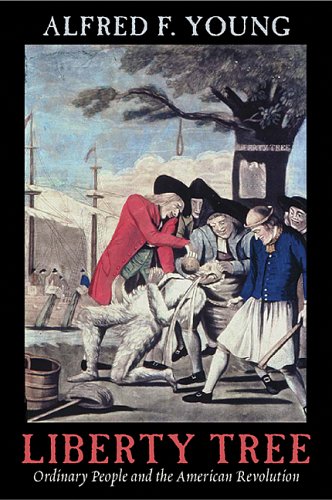
Liberty Tree: Ordinary People and the American Revolution, by Alfred F. Young

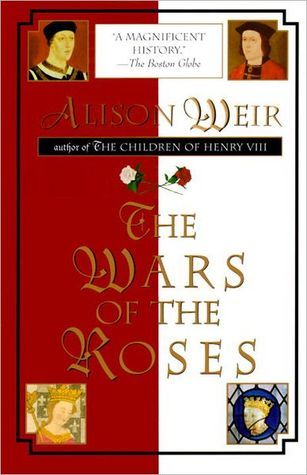
The Wars of the Roses, by Alison Weir – this one I just read last year, in concert with all 5 Song of Ice and Fire books by George R.R. Martin. Epic fun!

3085271Out of bounds for today’s consideration of non-fiction, but very much worth your consideration as a captivating work of historical fiction, with a strong romance at the center — and a lengthy, almost-believable-for-once cross-dressing deception! — is Blindspot, by historians Jane Kamensky and Jill Lepore.

One of my favorite things about this book is that it’s an epistolary novel, like Pamela!  And the authors apparently also wrote it in epistolary fashion.  An absorbing, fun read for anyone who enjoys 18th century American/ Revolutionary history and/or romantic historical fiction.

As an aside, I do also occasionally read a non-fiction book about parenting or child development.  I am currently reading the excellent  Teach Your Children Well, by Madeline Levine, about raising resilient kids and avoiding the “extra-curricular credentials” trap.

Blogging, Romance, Genre, “Art” and Feminism? Armchair BEA Days 2 & 3

Armchair BEA 3

Design Credit: Nina of Nina Reads

I’m still so new at this game, I can’t really say much about how I’ve developed as a blogger.  The blog is still in its infancy, and I find myself every day wishing I had an extra hour or two to spend working on future posts, reading other blogs, and researching best practices.  ArmchairBEA is pushing me to post more this week than I would normally be able to, although this kind of navel-gazing post is not the same as a review post or commentary on a bookish theme.  It’s less than 2 months since I drafted my About Me and Why Badass Romance posts, and then I just spent eleventy-two hours doing the long Liebster post last week, so it’s feeling like ENOUGH about me and not enough about books right now!

For this reason I’m going to segue right to Day 2’s bookish topic, which is genre (what draws you to a genre?), and Day 3’s related focus which is literary (artistic?) fiction.  The literary fiction prompt asks: Which works of art have changed your life?  Be creative and make a list outlining books featuring specific subjects (i.e., animals, recommended prize-winners, outstanding authors, etc.). Hmmm. What is it with this “art” label?? Is genre fiction a lower order of cultural production?

Feb 2013 iPhone 020books4

As a result of the Liebster chain letter last week, I met a fellow blogger who, like me, has an academic background, has read classics, literary theory, and criticism, and now – at mid-life – prefers to read… you guessed it: (badass) romance.  Miss Bates is quite loquacious on this topic! Her new blog is a must-read, if you haven’t already checked it out.

We’ve been chatting back and forth in comments, and it’s helping me re-formulate some of my rather inchoate thoughts about why I don’t like a literary hierarchy that sets genre fiction (romance along with others, like fantasy, science fiction, mystery, etc – not to mention sub-genres) in opposition to literary fiction, thereby declaring that genre fiction is not Art. I realize no one is saying that genre fiction doesn’t have meaning or merit, but let’s face it, there is still a literary hierarchy and the main reason romance gets taken seriously at all may be its badass sales figures. But the main reason I don’t read much “highbrow” fiction anymore is that I started to feel unhappy and uncomfortable with books that felt chore-like — at times opaque, depressing, and/or pretentious. Life is too short to read books that feel like work.  I am not saying, however, that I don’t want to be challenged by what I read — to read books that spark me to think deeply and broadly about my values and assumptions and priorities. I’m just saying that I want to have this experience as a reader with books I actually enjoy reading, and at this point in my life as a reader I’m looking for happy endings.

While I recognize the importance of individual preferences in terms of genre, and the reality that there are going to be groupings of readers who read and blog mainly around literary fiction vs. any particular genre fiction, what’s important to me is enjoying what I read, and applying the same kind of critical thinking and analysis in formulating my response — whether it’s a romance novel or a Booker Prize nominee.  As a serious reader, I don’t want to have to prove I’m serious in spite of reading and reviewing romance.  I was delighted yesterday to read Book Riot’s Stop Apologizing for What You Like to Read, via new Armchair BEA blog friend Cheap Thrills.

But on the other hand, I don’t think the romance reading and blogging community should be without a robust critical discourse, nor should we shy away from thoughtful exchange of ideas about what’s political and or problematic in the books we also enjoy and celebrate. This week Emma Barry has posted a provocative set of questions about politics in romance, and there are some wonderful comments.  Also this week, at Radish Reviews, Natalie’s challenging post about reader shame and extreme romance, along with the incredible discussion it’s generating, has really got me thinking.

Although I’m new to blogging, I’ve been participating in online fan forums about books off and on for almost a decade. I’ve always been somewhat frustrated by the strong negative response from such communities when a critical view of a challenging theme or book is put forth. Frequently, critical discourse is suppressed with “if you don’t really like this, why are you reading it?” Or, “how can you like this and call yourself a thinking person?” Of course I am thinking about polarization around the proliferation of erotic romance and erotica in the wake of 50 Shades. I’m also thinking back to a fan community where a post that critiqued a problematic aspect of a beloved book was frequently perceived as an attack. But this kind of suppression is side-stepping.

Why can’t we trust that we’re mainly going to read what we like and enjoy, and that it’s OK to enjoy reading something and yet still be deeply thoughtful and even troubled by it? And to express these “troubles” in the form of thoughtful interrogation of our own reading, in concert with the cross-blog discourse of reviews and commentary? Is it OK to be a romance blogger and say “negative” things about the genre?  My response is a hearty yes. But are romance readers especially sensitive to criticism of the books we enjoy, because there is always this problematic intersection of gender, identity, feminism, and the masculine hero archetypes which embody patriarchy?

I can’t conclude this post without mentioning the discourse around feminism and romance which was (re)launched with vigor back in March (B.B.R. – Before Badass Romance), by way of an article in the Atlantic, and a series of wonderful author and blogger posts such as this one by Cecilia Grant, from which I will offer a favorite quote:

But “romance that might appeal to feminists” and “romance that actually is feminist” aren’t quite the same thing.

I also found this post at Bad Necklace extremely challenging and provocative, in a good-kind-of-uncomfortable way.

So, badass romance readers – what do you think? Is it possible to enjoy reading a book, and to equally enjoy a respectful critique that challenges our enjoyment? Are we stuck reading romance through the lens of feminism? Are such “-ism” lenses limiting or liberating?

Finally, as an aside, I must add that I am on pins and needles waiting to get my hands on a copy of Cecilia Grant’s forthcoming new release, A Woman Entangled! A Gentleman Undone is among my top 5 favorite books of 2012 (or top 5 reads of 2013 so far.)

Introducing Badass Romance for Armchair BEA

Armchair BEA 3

Design Credit: Nina of Nina Reads

I admit it, I love going to conferences.  I love the chance to get away from home, and laundry, for a few days and hang out with a big group of people who are all pumped up to get motivated and recharged and who share a commitment to a common field of endeavor.  Since my kids arrived on the scene almost exactly a decade ago, I don’t travel for work nearly as much as I used to, but I still make it a point to attend a couple of meetings a year, for the inspiration and connection they yield.

sfly3But as a new blogger with no other connection to “the industry” the idea of attending a literary conference is still just a pipe dream.  Sort of like my daughters’ active fantasy that  when they turn 11 they will receive letters from Professor McGonagle with instructions for Hogwarts matriculation.  Or perhaps just slightly more within the realm of possibility – that I will eventually break down about Disney and take them to Orlando for Harry Potter World.  It could happen, and we really want it to happen, but no one’s holding her breath.  Now that I think about it, I’m pretty sure my fantasy book convention trip probably gets more and more wondrous, in my mind, in direct proportion to how much the daily grind of single mom-hood is getting to me in any given week.

But just when I was thinking how I’ll probably never have time to go to a big book convention, due to minor obstacles such as my job and my children, I heard about Armchair BEA — an online version of Book Expo America, which is happening this week in NYC.  For bloggers who don’t attend, Armchair BEA is the next best thing; a way to get connected, without leaving home.

Here are my answers to 5 of the Introduce Yourself post questions:

1. Please tell us a little bit about yourself: Who are you? How long have you been blogging? Why did you get into blogging?

I’ve been blogging here @ Badass Romance for about two months. I do feel as though I’ve arrived rather late to blogging and I’ve also been forcing myself up a pretty steep learning curve with tweeting (which is how I heard about Armchair BEA).  I started talking about books online in fan forums  back in 2004-2005 when my daughters were babies and I was pretty much trapped at home all the time.  I didn’t have time or energy to be in a real life book group, but found a wonderful community of readers to engage with online. Now the girls are about to turn 10, they’re more independent, and I have some scraps of time back.  I have been kicking around the blog idea with my friends (both IRL and online) for about a year, and finally decided to jump in with it. We’ll see how it goes — so far, it’s been a lot of fun. The only downside is that the more time I spend reading posts, tweeting, and talking with other book bloggers and authors, the faster the TBR stack grows. I’m starting to accept that it will always be full, and full of promise.

2. Where in the world are you blogging from? Tell a random fact or something special about your current location. Feel free to share pictures.

4e7fb94e868911e1ab011231381052c0_7

in Lexington, 2012 @ Badass Romance

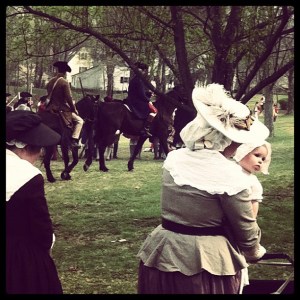
I’m in New England, near Boston. Revolutionary history is one of my other passions.  We love celebrating Patriots Day by attending re-enactments in Lexington and Concord. As a romance reader, for me the ultimate in perfection is a 5-star historical set in 18th-century America.

3. Have you previously participated in Armchair BEA? What brought you back for another year? If you have not previously participated, what drew you to the event?

I never heard of Armchair BEA until this week.  After the blog had been up for several weeks, I joined Twitter right around the time of the big Romance Times conference (RT13) in Kansas City, and spent a week watching the tweets and realizing how much I’d love to attend a book convention.

4. Which is your favorite post that you have written that you want everyone to read?

I jumped in to the recent spate of interest in the fate of historical romance and met some amazing reviewers and bloggers via my newbie post: Historical Romance: Lament, or Let it Die?  It’s by no means the most eloquent or my last word on this topic, but it was fun and I loved all the wonderful comments.

5. What are you currently reading, or what is your favorite book you have read so far in 2013?

I’m currently reading several books, as usual. Just finished Untamed, by Anna Cowan, and I’m working on my review post (so excited about this one — it’s really different!). I’m also reading Silent in the Sanctuary, by Deanna Raybourn, and Teach Your Children Well, by Madeline Levine.

A Blog Award for Badass Romance?!

It appears that Badass Romance has been nominated (tagged) for the Liebster Award! Squee!?! Wait, what does this mean?lieber-award

The Liebster is a friendly pay-it-forward getting-to-know-you thumbs up badge for blogs with fewer than 200 followers.  Like other history-minded bloggers who have received this compliment before me, I did some googling to try and figure out where this started.  Seems to be somewhat shrouded in mystery, but it’s German for “dearest” or “favorite” and at least one persistent blogger traced it back to a 2010 German blog, but no one seems to be able to find the original post.

It took me a while to figure out that being nominated is the same thing as “winning,” or more properly, receiving, this award. My blog and 10 others were listed and linked by two other bloggers who recently received the award for their own awesome bloggery.

My sincere and humble thanks to the Urban Book Thief and Rika Ashton for the thumbs-up vote of confidence that this represents. Please check out both of these blogs – a whole lot of clever and creative going on! I’m incredibly flattered, and in spite of my skepticism, I’m game for the good-natured chain letter-ish shenanigans involved in “accepting” the award, which basically means making a long-ass post about it and following a list of eleventy or so evolving rules.  So read on for some deep dark secrets about me, answers to odd questions you didn’t ask, and some genuine inspiration in the form of links to cool new blogs.  And here we go…!

As a recipient, I must:

  1. List 11 random facts about myself.
  2. Answer 11 questions posed by the blogger who nominated me.
  3. Nominate 11 other blogs for the award and link to them.
  4. Notify the bloggers that they are awesome and have won a shiny pink blogging logo.
  5. Pose 11 new questions for my Liebster nominees.
  6. Thank the blogger who nominated me and link back to their blog.

(*Note: Nominees, should you choose to accept this award, you will also have to complete the above tasks. 11 times everything! It’s cracking me up to find that there are Liebster posts from last year where the numerology was only FIVE of everything… sigh.  Prices just keep going up.)

Eleven Random Facts about Pamela / Badass Romance ….in which we learn things we may never have wanted or needed to know:

  1. Bicoastally mixed-up: I am a diehard New Englander but I grew up in California.
  2. I don’t like riding bicycles.
  3. Finally remembered to plant some sunflowers this year.
  4. My first job as a teen was shelving books at the city library.
  5. I have a serious bird phobia, which is why I am not answering the pigeon question, and a seagull once clawed a sandwich right out of my hand at an otherwise lovely beach.
  6. I can’t carry a tune to save my life, but I love to sing along to the radio in the car.
  7. My 5th grade biography project and heroine/role model was Nellie Bly.
  8. Last year on my birthday I went Girls Night Out dancing with friends at a burlesque cross-dressing disco version of A Midsummer Night’s Dream (The Donkey Show).
  9. I secretly LOVE Abba.
  10. dark emMy children think most grownup books show people on the cover without their heads. Or half their clothes. Sigh.

  11.  I think this post by Carolyn Crane about the silliness of blog awards is truly hilarious (with thanks to Alpha Heroes!). I want to give myself the Little CJ Blog Award!

Eleven Answers to Questions posed by the Urban Book Thief and/or Rika (Ha!  I decided I get to pick a total of 11 from both lists.)

  1. Chicken or the Egg – CHOOSE! Chicken. It’s dinnertime not breakfastime here right now.
  2. How did you come up with the name of your blog? I knew what I wanted to call it but it took me a while to summon the nerve to put myself out there with the Badass label!
  3. Which one of your posts/book reviews was the most fun to write? Historical Romance: Lament, or Let it Die?
  4. What did you eat for breakfast today? I’m boring. Coffee, yogurt, granola.
  5. What are you reading right now? UNTAMED, by Anna Cowan. Plus about 4 or 5 other books. I multi-read.
  6. Which book character do you simply love the most? Rhett Butler or Richard Sharpe. Or Becky Sharp. Really, Jane Eyre of course.
  7. Which is your favourite book series? The Oz books by L. Frank Baum, or the Outlander series by Diana Gabaldon.
  8. Ninjas or pirates – CHOOSE! Pirates, absolutely. 
  9. What mythical creature would you want as a pet? Buckbeak! I couldn’t live with myself if I didn’t pick Buckbeak, for my daughters who are so sad hippogriffs aren’t real.
  10. What is your favourite song right now? Same Love by Macklemore.
  11. Are you a summer or winter person? I live in New England. You gotta be both.

My Badass Nominees for Liebster Award Winning and Related Shenanigans (this means they are lovely blogs you should check out!):

And finally, Eleven Questions for my Badass Liebsters – go ahead, it’s not that bad to “win” this award. And no dire consequences if you decide to forego “winning” it. But I’m dying to hear your answers!

  1. What is your favorite actual trophy or other award you can put on a shelf or hang on a wall?
  2. Jane Eyre or Wuthering Heights?
  3. What book is the most recent addition to your DIK shelf?
  4. What book is at the top of your TBR stack?
  5. What book keeps getting remaindered at the bottom of your TBR pile, and do you think you’ll ever get around to reading it?
  6. What language do you wish you were fluent in?
  7. Medieval castle or Mediterranean villa?
  8. What did you eat for breakfast?
  9. How do you feel about time travel plots?
  10. What is your favorite carnival ride?
  11. What blog did you find this week that you love? (time to start thinking about your Liebster nominees!)

the original Liebster tag, before someone tarted up the glossy pink one! Also, Carolyn Crane‘s hilarious Little CJ Blog Award, which I am awarding to myself.  And to all of you!

LiebsterBlog

  littleCJaward3

Regency Gossip: When a Bluestocking Is Like a Blogger

A final installment from the Lords Trilogy, In Which We Meet a Viscount in Love with Lord X, Gossip Swirls, and a Marriage is Forced

Badass: Ian Lennard, Viscount St. Clair – on the surface he’s a libertine with a wandering eye, but underneath lies a painful past, strong convictions, and a distinguished record of service to his country that it will take a VERY “tart-tongued, self-righteous spinster” to unmask.

Falls For: Lord X – no, it’s not m/m.  Gossip columnist Lord X is really Felicity Taylor, society architect’s daughter and penniless wielder of London’s most notorious pen. She may be more of a badass than Ian.  Pen mightier than sword, etc.

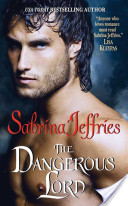
Brought To You By:  Sabrina Jeffries, in The Dangerous Lord (2000) (re-issued 2009)books

Hangs Out In: 1820’s London, where he has returned after a decade or so as an expat and (of course!) brilliant spy for His Majesty’s government.

Likes:  Keeping secrets secret; covering up his distinguished service record; triplets; Spanish endearments — querida — inexplicably slip out during intimate encounters.

Dislikes: Being forced to find a wife in order to gain his inheritance (but he’ll suck it up and make it happen once he encounters feisty Felicity.)

Badass Annoying Moment: Forcing Felicity to the altar.

Badass Hero Moment: Forcing Felicity to the altar. She’s actually kind of annoying in staunchly and ridiculously insisting that marriage to Ian would be The Most Awful Thing. Ever.

(too) Frequently Described As: Brooding.

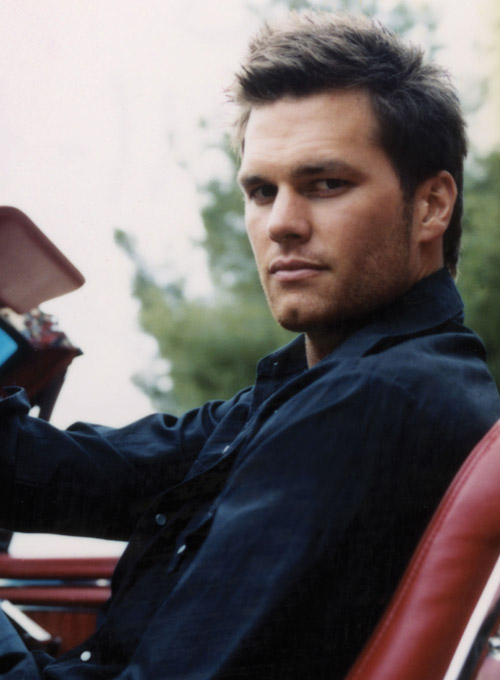
Tom-Brady-s-Hottest-Pics-male-models-28291631-500-680Casting? I dunno, but don’t you think the 2009 cover picture looks almost exactly like Tom Brady?  That’s just weird.

Is it a Badass Read?   This is the final book in a trilogy of Lords, and I was distracted by the appearance of the other two heroes, whose stories I had not yet read. My bad, for reading out of order. That aside, it was an enjoyable, quick read, buoyed by SJ’s characteristic deft and funny dialogue.  Although these are not characters that will linger everlastingly with me once I close the book, Felicity is slightly more memorable due to her bullheadedness. Both are variations of the Regency rake and bluestocking.  Honestly, I had a hard time remembering details about what Ian likes/dislikes to do with his time, other than the usual gentleman’s pursuits.  The most memorable characters in the book are the housekeeper Mrs. Box (and isn’t that the perfect name for a housekeeper?!) and Felicity’s younger brothers (think slightly older versions of the manic triplets from Brave!).

I quite like the rake/bluestocking trope, and I liked the attention devoted to conveying something about Felicity’s writerly craft.  She was the equivalent of an influential blogger with 1000’s of followers, and/or a power Twitter user. As a new book blogger and super newbie Tweet-er, I found myself quite sympathetic to her near-constant worry about finding sources (access) and material for her next post, er… column. While at the same time it’s clear she really loves her work and her writing.

What do you think? Are you up to here with rakes and bluestockings? Do you think this match-up is eternally popular with readers for transparent yet genuine reasons having to do with growing up bookish in a culture that celebrates beauty…?

  JeffriesADangerousLord_2000

Never Say Die: Speaking Up for Badass Regencies

I have to say I am loving all this talk about historical romance over the past couple of weeks. Last week I tossed around my own musings on the provocative yet substantive discussion launched by the influential All About Romance and Dear Author blogs. This week finds historical romance “troubles” cropping up again at Risky Regencies, which I think is great.  Sick of the Regency? Well maybe, but….

Sharpe-sean-bean-22356711-885-1280

As many have pointed out, readers have had a decades-long love affair with Regency-set historical romance for good reason, and if there is a real or perceived Regency Fatigue among readers, the candid discussion we’ve all been having stems mainly from deeply rooted affection for this Heyer- and Austen-inspired world. In re-examining my own sentiments this week, I realized I’m probably slightly ambivalent.  I’ve confessed to suffering a mild disenchantment with Regencies that feel too wall-paperish or insubstantial.  I do actively hunt out historicals with settings based on American history, and the erstwhile art historian in me still wishes there were more badass romances set in southern Europe during the Renaissance (and not yet another Tudor- or Borgia-inspired historical novel with romantic elements).

PDVD_415But I’ve read hundreds, probably thousands, of Regencies, and there are so many on my DIK shelf that it’s overflowing. Also, there really are badass Regency heroes /heroines who aren’t dukes, earls, or even the slightest bit aristocratic — through they’re frequently noble, in the best sense of the word. There’s an element of truth in the suggestion that some Regencies offer a fairytale version of England which is devoid of politics, or gritty social and economic realities.  sharpeBut it’s equally true that some Regencies offer well-researched military and/or social history, plots that center on wartime or post-war conflict, and even themes of class conflict, industrialization, domestic violence, and addiction — though I don’t claim to know how Regencies that touch on these darker themes stack up to their frothier siblings in terms of sales figures.

I thought it would be fun to take a few manic Monday minutes to list a few of my all-time favorite Badass Regencies.  If there’s a thread running through this list, it’s my love for intricately connected books, especially a series structured around a plausible group of badass heroes. I am probably repeating something I’ve said elsewhere, but I am drawn to fiction that explores themes like loyalty, honor, kinship, friendship, bravery, and family. Romances against such a backdrop are especially powerful, and it’s a big part of my devotion to historicals.

kinopoisk.ruI’m also a sucker for the band of brothers trope, if it’s done well, with careful and well-researched world-building. Hell, even if it’s a barely plausible Saving England From the Forces of Evil Secret Spy Ring, if it has compelling characters, a strong story and finely honed dialogue, I’m willing to suspend disbelief.

What are your favorite Really Good Regencies??  Today’s list is heavily weighted towards uber alphas, with a lot of war heroes and spies.  I haven’t even mentioned Loretta Chase once yet (!). I’ll return at some point to come up with my list of top badass Regencies where the heroes fight their battles in ballrooms, drawing rooms, and gaming hells, and there are plenty I still haven’t yet read, so please help me out and let me know who you’d add!

Badass Regencies That Won’t. Back. Down

Joanna Bourne, the Spymaster series / Darkly exquisite; French and English spies from all rungs of the social ladder. Words fail me.  If anything, these books just keep getting better and better.  The heroines are as badass as the heroes. Adrian’s story (The Black Hawk) was one of the best books I read in 2012.

Stephanie Laurens, the early Cynster books / Lush and nostalgic; curiously addictive. This family operates like a clan of badass white knights, reminding me both of Scottish medievals and, oddly, of “fixers” like Olivia Pope and her band of gladiators in suits.

Jo Beverley, the Company of Rogues series / Richly satisfying; wonderful secondary characters and friendships; some middle class protagonists. This series is wonderful and only suffers the tiniest bit from probably being constantly compared to the (Georgian-set) Malloren series.

Laurel McKee, Daughters of Erin series / Fiery and pretty political; there are riots and revolutionaries. Broadly speaking, these qualify as Regency-era historicals, but set in Ireland during and following the 1798 rebellion. I loved the theme of SISTERhood in this series, and the history is woven in seamlessly.

Gaelen Foley, Knight Miscellany/ A duke, twin heroes of the Peninsular Wars and their other siblings; these books explore sibling rivalry quite intensely, and the war-damaged brothers are heart-stoppingly enigmatic and tormented.

Eileen Dreyer, Drake’s Rakes series / A genuine band of brothers series; they fought and barely survived Waterloo together. The journey home is fraught with perils like amnesia, mistaken identity, deception, treason, abandonment and a disgraced wife.  The depiction of military life, especially the officer’s wives/daughters who traveled with the army made Never a Gentleman my favorite.  This series also reminded me so strongly of Bernard Cornwell’s legendary hero Richard Sharpe, that some of the glory of Sharpe’s Rifles may have rubbed off on Drake’s Rakes.

seanbean

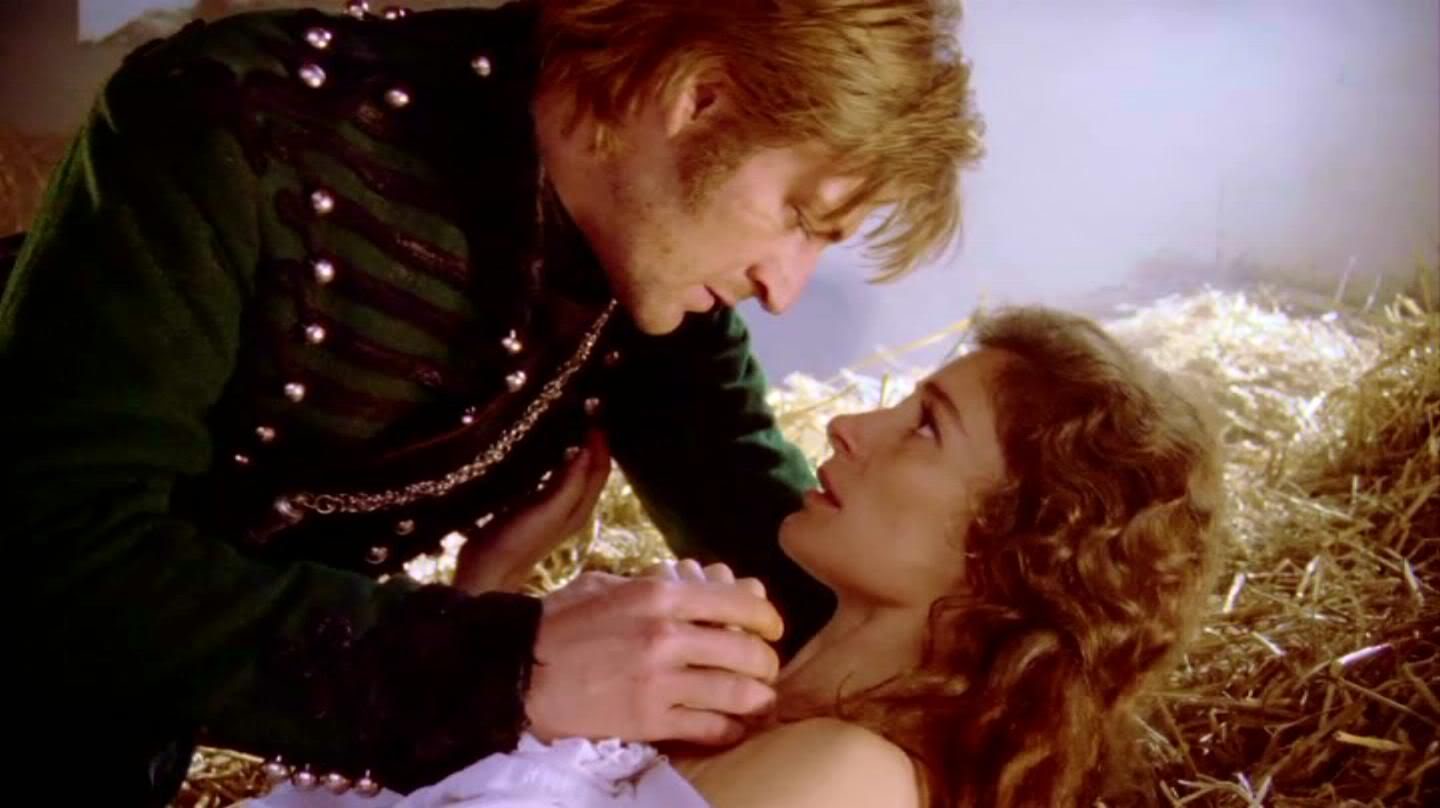
Sean Bean as Richard Sharpe, a particular favorite Regency badass who fought his way to being an officer but never a gentleman, before he got involved with Lords or Rings or playing the Game of Thrones.